McKinnon's Estate
◀ back to all placesalso known as: Mackinnon's Estate · McKinnon Plantation · Dickenson Bay Plantation (earlier parcel)
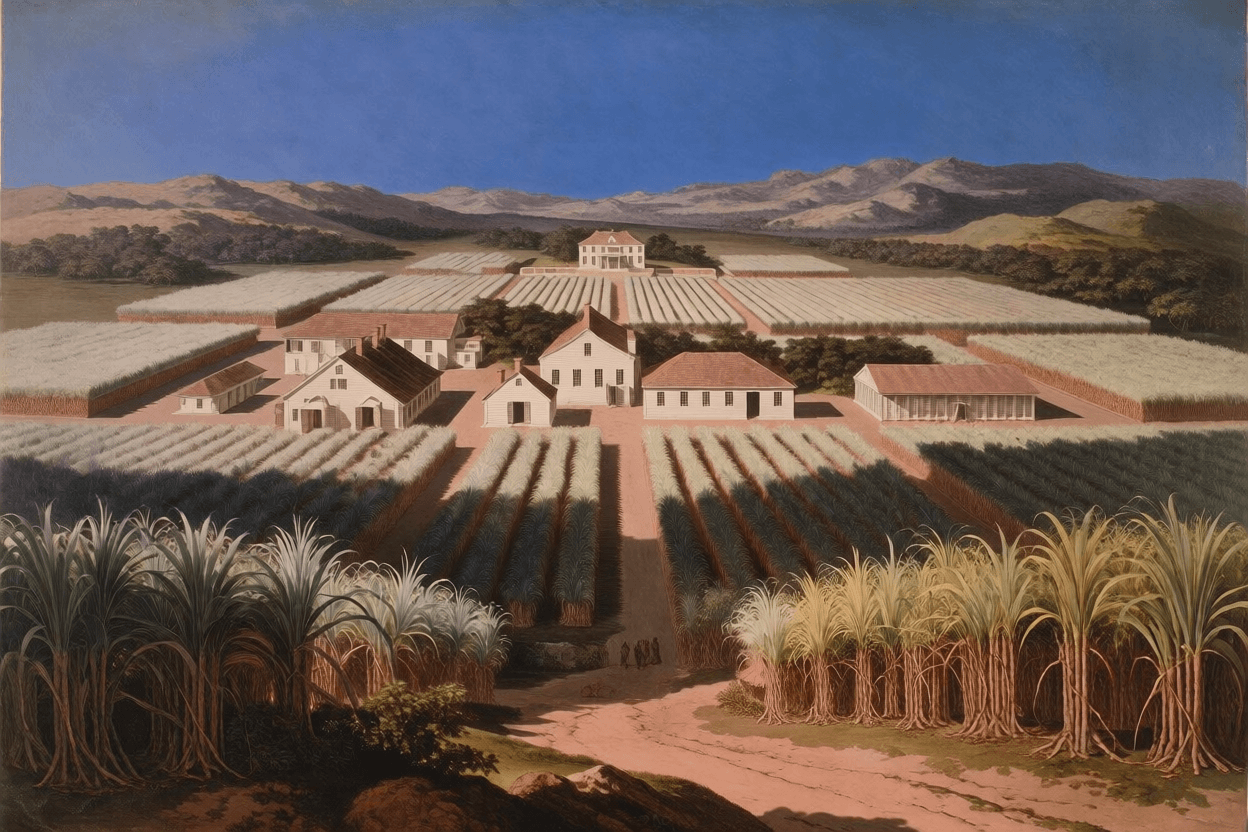
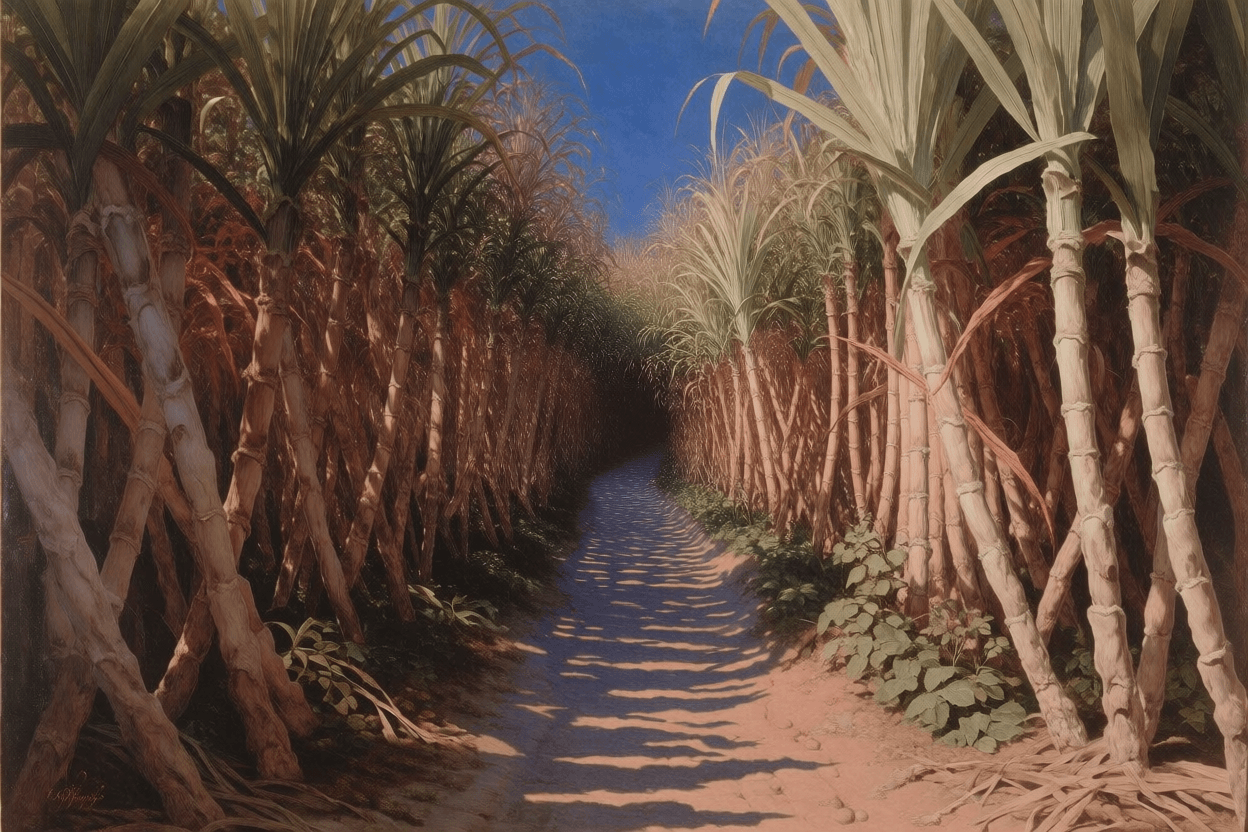
An eighteenth-century sugar plantation in north-western Antigua, on the slopes facing west over McKinnon's swamp toward Runaway Bay and Dickenson Bay. The mill is gone; the estate landscape has been almost entirely overwritten by modern residential construction.
At a glance
General location
McKinnon's Estate was located in St. John Parish, on the north-western side of Antigua, close to the present-day McKinnon's area, McKinnon's Pond, Runaway Bay, Dickenson Bay, Gambles, Yorks, and the northern outskirts of St. John's.
The Antigua Sugar Mills project identifies the site as a ruin in St. John Parish, with a founding date in the seventeen hundreds.
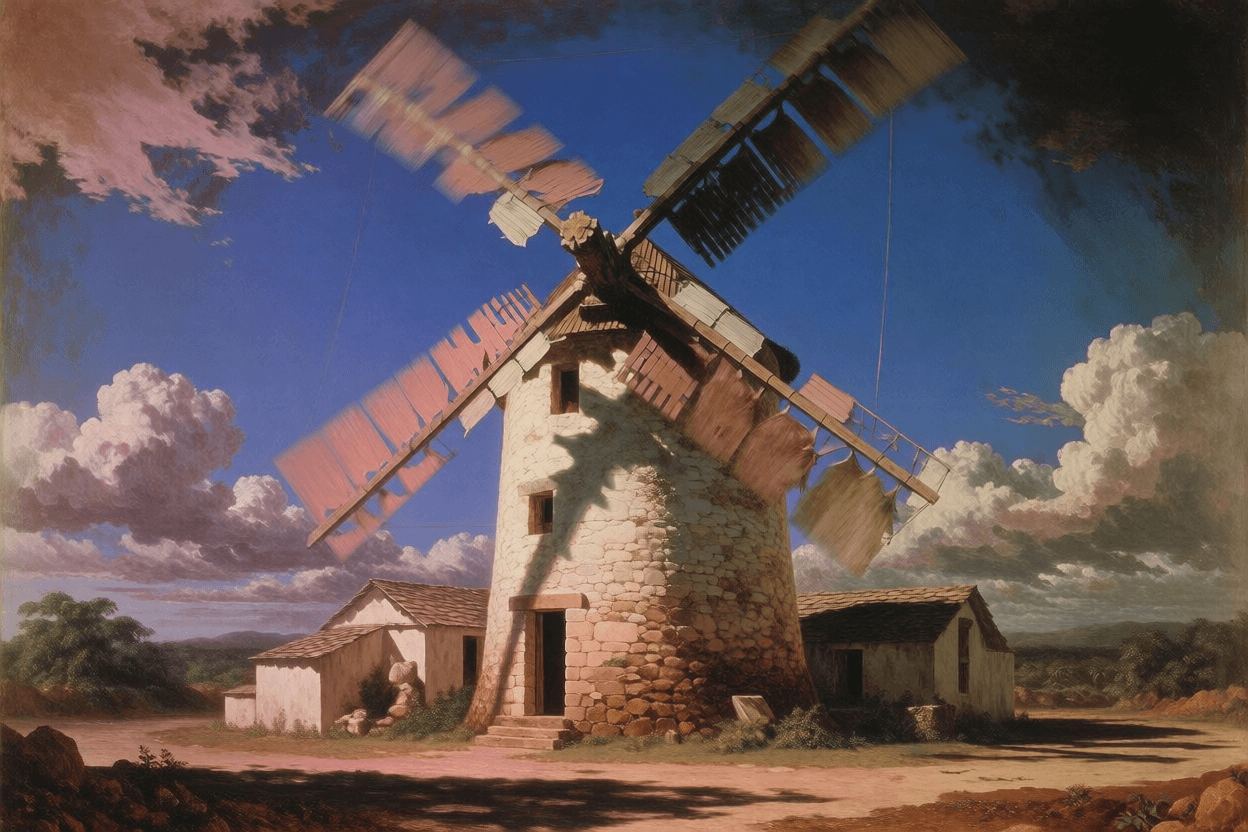
It also notes that no sugar mill remains on the site today, because modern residential construction has erased visible traces of the estate.
Physical setting
The estate sat in Antigua's north-west coastal zone, not in the high volcanic south-west of the island.
Antigua's landform is usually divided into three broad geological zones: volcanic soils in the south-west, clay-like central plains, and limestone hills in the north.
McKinnon's belongs to the northern and north-western landscape, where low coastal terrain, limestone-influenced ground, drainage channels, salt ponds, and coastal settlements meet.
Estate core and mill position
The old McKinnon's mill site was inland from the coast and south-east of McKinnon's Pond.
The map link attached to the Antigua Sugar Mills entry places the estate and mill area around seventeen degrees, eight minutes, twenty-five seconds north, sixty-one degrees, fifty minutes, fifty-six seconds west.
This puts the estate core close to the present residential slopes looking west toward McKinnon's swamp, Runaway Bay, and Dickenson Bay.
Relation to McKinnon's Pond
McKinnon's Estate was geographically tied to McKinnon's Pond because the pond formed the major wetland feature immediately west and north-west of the estate landscape.
The pond is described by the Key Biodiversity Areas database as being on the west-facing coast of north-west Antigua, about three kilometres north of St. John's and just inland from Runaway Bay. It was once a mangrove-lined lagoon and the largest natural pond on the island.
The modern watershed around McKinnon's drains through populated outskirts of St. John's into McKinnon's Pond. Government adaptation documents describe McKinnon's watershed as part of one of Antigua's main watersheds, with waterways flowing through urban and suburban communities before draining into the pond.
Coast, bays, and viewshed
The estate's western landscape faced toward McKinnon's swamp, Runaway Bay, and Dickenson Bay.
The Antigua Sugar Mills entry states that homes now occupying the former estate area face west over McKinnon's swamp, Dickenson Bay, and Runaway Bay.
This is a useful clue for reconstructing the estate's geography: the estate was not an isolated inland plantation, but part of a coastal-facing sugar landscape overlooking wetland, bay, and beach environments.
Drainage and watercourses
The McKinnon's landscape is part of a drainage basin. The primary watercourse drains into McKinnon's Pond and forms part of the larger north-west watershed.
Adaptation Fund documents describe a three-kilometre McKinnon's waterway crossing urban and semi-urban areas before reaching the pond. The same documents describe flood exposure, drainage problems, and the need for hydrological and hydraulic modelling in the McKinnon's watershed basin.
A project map of the McKinnon's watershed shows the pond on the western side, the watershed boundary spreading inland to the east and south-east, and the main drainage interventions crossing built-up areas before reaching the pond. This modern watershed map does not equal the exact plantation boundary, but it helps locate the physical drainage system that shaped the estate area.
Historical acreage and boundaries
The estate's size changed in the records, or the name was applied to different connected parcels over time. The Antigua Sugar Mills chronology gives an earlier Dickenson Bay Plantation parcel of eighty acres, later records of eight hundred and thirty acres, a later six hundred and thirty-three acres, and a twentieth-century claim of two thousand acres.
One eighteenth-century description says the property known as Dickenson Bay Plantation contained eighty acres and was bounded east and north by lands of the heirs of Colonel James Weatherill, south by lands of the heirs of Henry Knight, later in the possession of Samuel Nibbs of Marble Hill, and west by what had formerly been Nathaniel Knight's plantation.
A later eighteen thirty-one indenture described a McKinnon plantation parcel in the parish of St. John and Division of Dickenson's containing seven hundred and seventy-one acres. Its listed boundaries were east by the highway and the lands of John Dunbar and James Nibbs, north by lands of Anne Evanson and James Nibbs, and south by lands of Elizabeth Nibbs, John Taylor, and Thomas Daniel. The excerpt does not preserve a western boundary, so the west side should not be over-specified without the full deed.
Neighboring estate geography
The named neighboring lands place McKinnon's within a dense plantation district rather than on empty land. The names connected to its borders include Weatherill, Marble Hill, Dunbar, Nibbs, Evanson, Taylor, and Daniel.
These names matter geographically because they show the estate was embedded in a larger north-west plantation grid around Dickenson's division, Marble Hill, Gambles, and the approaches north of St. John's.
Twentieth-century extent
By nineteen thirty-three, the estate was described as stretching from Back Street to Anchorage, including Upper and Lower Gambles, and was offered as a two-thousand-acre property.
This likely reflects a later consolidated landholding, not necessarily the exact same footprint as the earlier eighty-acre or seven-hundred-and-seventy-one-acre plantation descriptions.
Modern overlay
Today, the former estate landscape has been heavily transformed. Antigua Sugar Mills says there is no sugar mill left and that the traces of the estate have been eradicated by modern residential construction.
The broader modern McKinnon's area is now part residential, part urban and suburban, and part coastal-tourism-adjacent, with nearby tourism uses around Dickenson and Runaway beaches.
Government adaptation documents describe the present north-west coast around McKinnon's as a residential and urban or suburban zone, with tourism dominating coastal uses along Dickenson and Runaway beaches, and industrial activity including West Indies Oil and APUA power stations. Smaller areas are used for vegetable farming, livestock, commerce, recreation, and community facilities.
Sources
- Antigua Sugar Mills database, McKinnon entry, Saint John parish
- Eighteenth-century deed for Dickenson Bay Plantation, eighty-acre parcel
- 1831 indenture, McKinnon plantation parcel, parish of St. John, Division of Dickenson's
- 1933 estate sale notice, McKinnon's Estate, Back Street to Anchorage
- Adaptation Fund project documents for the north-west McKinnon's watershed, Antigua
- Key Biodiversity Areas (KBA) record for McKinnon's Saltpond, used here for adjacent landscape context